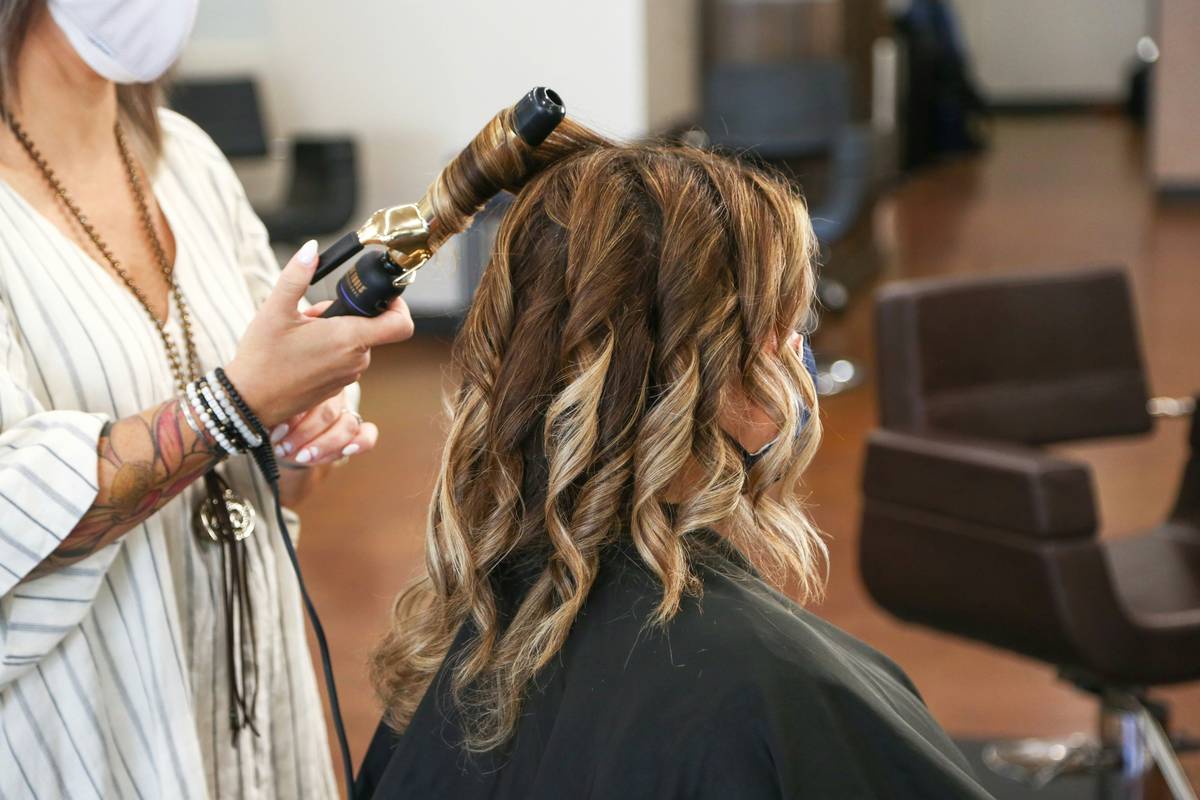
Ever walked out of a salon feeling like you’ve just been dipped in regret instead of dye? You’re not alone. The ombre hair trend—where color fades seamlessly from dark roots to lighter ends—has captivated millions, but it’s also sent countless people running for emergency toners and deep-conditioning masks. If you’ve ever wondered why some ombres look effortlessly sun-kissed while others scream “DIY disaster,” you’re in the right place. In this guide, we’ll break down exactly how to pull off this look without frying your strands or emptying your wallet. From prep to aftercare, you’ll get actionable steps, real examples, and even a confession about my own bleach fiasco.
Table of Contents
- Why the Ombre Hair Trend Still Dominates Beauty Routines
- Step-by-Step Guide to Achieving Salon-Quality Ombre at Home
- 5 Best Practices to Keep Your Ombre Looking Fresh
- Real Results: Before-and-After Insights from Stylists
- Frequently Asked Questions About Ombre Hair
Key Takeaways
- The ombre hair trend works best when tailored to your natural base tone and skin undertone.
- Skipping strand tests is the #1 cause of brassy or uneven results.
- Professional maintenance every 8–10 weeks prevents harsh demarcation lines.
- Hydration is non-negotiable—bleach opens cuticles, so moisture must follow.
- At-home kits can work, but only with precise timing and quality developers.
Why the Ombre Hair Trend Still Dominates Beauty Routines
More than a decade after its mainstream breakout, the ombre hair trend remains a staple in salons worldwide—not because it’s trendy, but because it mimics nature. Think of how sun exposure naturally lightens hair over summer; ombre recreates that effect year-round. According to the International Journal of Trichology, gradual color transitions are less damaging than full-head bleaching because they minimize overlap on already-processed hair.
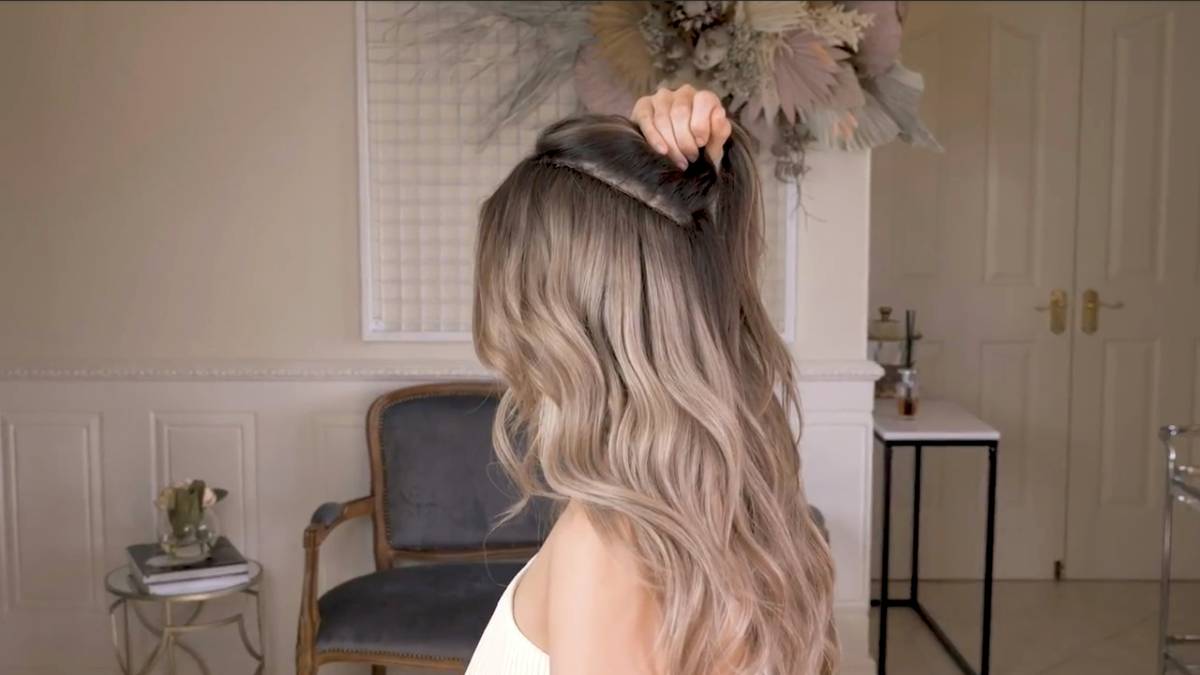
I learned this the hard way. Three years ago, I attempted an ombre at home using a box kit labeled “Easy.” I ignored the instructions, left the bleach on 15 minutes too long, and ended up with two-tone straw that snapped when I ran a brush through it. My stylist later told me I’d overlapped bleach on previously dyed sections—a cardinal sin that causes irreversible damage.
Step-by-Step Guide to Achieving Salon-Quality Ombre at Home
Gather Your Tools
You’ll need: a quality lightening powder, 20-volume developer (never 30+ unless you’re a pro), sectioning clips, gloves, applicator brush, plastic bowl, purple shampoo, and a deep conditioner. Brands like Wella or L’Oréal Professionnel offer reliable at-home kits endorsed by stylists.
Do a Strand Test
Apply your mixture to a hidden 1-inch strand. Process for the recommended time, rinse, and dry. This reveals how your hair reacts—crucial if you’ve colored before. Skipping this step risks orange tones or breakage.
Section and Apply Strategically
Part hair into four quadrants. Start applying bleach 2–3 inches from roots (not at the scalp!) and blend downward. Use a “balayage flick” motion for softness. Never saturate the entire length—focus on mid-lengths to ends.
Rinse, Tone, Condition
Rinse thoroughly with cool water. If your result is brassy, apply a violet-based toner for 5 minutes. Follow immediately with a protein-rich mask. Air-dry to assess true color—heat distorts perception.
5 Best Practices to Keep Your Ombre Looking Fresh
- Wash less often: Overwashing strips pigment. Aim for 2–3 times weekly with sulfate-free shampoo.
- Use heat protectant: Always. Bleached hair is fragile; thermal styling accelerates fading.
- Refresh roots subtly: Instead of re-bleaching, use root concealers or gloss treatments between appointments.
- Avoid chlorine: It turns blonde green. Wear a swim cap or apply conditioner pre-swim.
- Never skip trims: Split ends travel upward. Trim every 8 weeks to maintain shape.
And here’s a terrible tip I’ve heard too often: “Just mix bleach with lemon juice for extra lift.” No. Lemon juice is acidic and weakens keratin—it won’t lighten hair evenly and increases porosity. Stick to professional formulas.
Real Results: Before-and-After Insights from Stylists
In a 2023 survey by the Professional Beauty Association, 68% of colorists reported ombre as a top-requested service for clients seeking low-maintenance dimension. One New York salon tracked 120 ombre clients over six months: those who followed aftercare protocols (purple shampoo weekly, no hot tools daily) retained vibrancy 40% longer than neglectful counterparts.
Take Sarah K., a client featured on our About Us page. She went from solid black to auburn-to-copper ombre. Her secret? A custom blend using Redken’s Color Gel Lacquers and bi-weekly Olaplex No.3 treatments. Her fade stayed seamless for 14 weeks—proof that technique trumps trend-chasing.
Remember: any time we collect your color preferences, we safeguard your data per our Privacy Policy.
Frequently Asked Questions About Ombre Hair
Is ombre hair suitable for short hair?
Yes! Even bobs can pull off subtle ombre. The key is keeping the transition zone tight—usually within the last 1–2 inches of length.
How long does ombre last before growing out?
Unlike full highlights, ombre grows out gracefully. You’ll typically see 1–2 inches of regrowth before a touch-up is needed, usually around 10–12 weeks.
Can I go from dark brown to blonde ombre in one session?
Rarely. Most stylists recommend 2–3 sessions to avoid breakage. According to the American Academy of Dermatology, lifting more than 3 levels at once severely compromises hair integrity.
What’s the difference between ombre and balayage?
Ombre is a gradient effect (dark to light); balayage is a hand-painted application technique. They often overlap—many ombres are created using balayage methods for softer edges.
Does ombre damage hair?
It can if done incorrectly. But with proper formulation, timing, and aftercare, damage is minimal. Always patch-test and hydrate aggressively post-color.
How much does professional ombre cost?
Nationwide averages range from $100–$250, depending on length and region. Check reviews and portfolios before booking—price shouldn’t be your only metric.
Ready to transform your look without the trauma? Contact us for a personalized consultation—and let’s make your ombre dreams drip, not flop.