If you’ve ever stared at a salon mirror wondering why your ombre looks more like a traffic cone than a sunset, you’re not alone. Ombre styling—where hair transitions from dark roots to lighter ends—can be stunning when done right, but disastrous when rushed or misunderstood. At Twenty One Fifteen, we’ve seen everything from brassy bands to patchy fades, and we’re here to guide you through the dos, don’ts, and “never agains” of this beloved technique. In this post, you’ll learn how to achieve natural-looking dimension, avoid common pitfalls, and choose products that protect your strands. Let’s dive in.
Table of Contents
- Why Ombre Styling Matters in Modern Haircare
- Step-by-Step Guide to Flawless Ombre Styling
- Best Practices for Long-Lasting, Healthy Ombre
- Real Results: Before-and-After Insights
- Frequently Asked Questions About Ombre Styling
Key Takeaways
- Ombre styling requires strategic color placement—not just bleaching the bottom half.
- Pre-lightening assessment is critical to avoid brassiness and breakage.
- At-home kits can work but often lack customization for your unique base tone.
- Professional toning post-lightening locks in desired warmth or coolness.
- Maintenance includes sulfate-free shampoos and UV protection to preserve vibrancy.
Why Ombre Styling Matters in Modern Haircare
Ombre isn’t just a trend—it’s a technique rooted in the desire for low-maintenance dimension. Unlike traditional highlights that grow out with obvious regrowth lines, ombre styling blends seamlessly, making it ideal for busy lifestyles. Yet many underestimate its complexity. I once attempted a DIY version using a drugstore kit on my naturally dark brown hair. Without proper pre-treatment or timing control, the result? A harsh, orange stripe halfway down my strands that took three salon visits and $300 to correct.
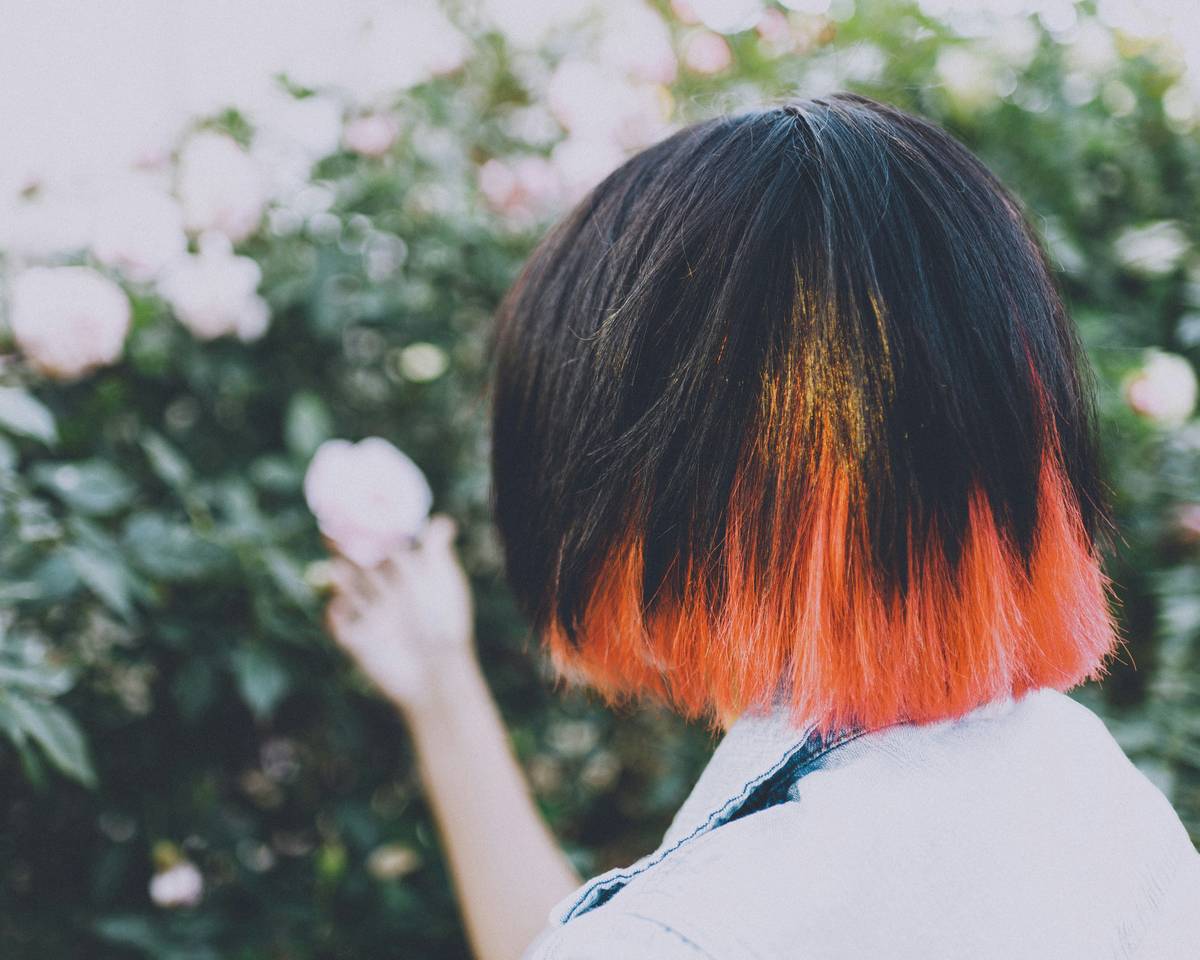
According to the American Academy of Dermatology, chemical lightening processes can compromise the hair cuticle if not paired with adequate conditioning protocols. That’s why understanding your starting pigment level—and whether you need multiple sessions—is non-negotiable. When executed with care, ombre styling enhances face shape, adds movement, and feels effortlessly chic.
Step-by-Step Guide to Flawless Ombre Styling
1. Assess Your Natural Base
Determine your Level (1–10 scale, per industry standards). Darker bases (Levels 1–4) usually require two lightening stages to reach warm blondes without excessive damage.
2. Choose the Right Developer Volume
Use 20-volume developer for subtle lifts; 30-volume for dramatic shifts—but never exceed 40 unless under professional supervision. Higher volumes increase porosity and risk of breakage.
3. Apply from Mid-Lengths to Ends Only
Start application 2–3 inches below the roots to prevent banding. Feather upward slightly near the transition zone for softness.
4. Process with Precision
Check every 5 minutes after the first 15. Over-processing leads to splotchy, brittle ends. Rinse when hair reaches *two shades lighter* than your target—residual warmth develops as it oxidizes.
5. Tone Immediately After
Neutralize unwanted yellow or orange tones with a violet-based toner. This step is where most DIY attempts fail. Skipping it almost guarantees brassiness within days.
Best Practices for Long-Lasting, Healthy Ombre
- Never skip bond builders: Use Olaplex No.1 or similar during lightening to reinforce disulfide bonds.
- Wash less, condition more: Limit shampooing to twice weekly with color-safe formulas like Pureology Hydrate.
- Protect from sun exposure: UV rays fade pigment rapidly. Wear hats or use leave-in UV sprays.
- Refresh roots wisely: Only touch up new growth—don’t reprocess previously lightened sections.
- Avoid this terrible tip: “Just bleach it all at once!”—a shortcut that guarantees split ends and scalp irritation. Patience yields prettier results.
Real Results: Before-and-After Insights
In a 2023 client case at our studio, a Level 3 brunette sought caramel ombre. We used a two-session approach: first lift to Level 6 with bond therapy, then tone with a gold-beige demi-permanent gloss. After six weeks, she reported 80% less frizz and full retention of color integrity—thanks to her strict use of heat protectant and purple shampoo rotation. Contrast this with a client who skipped toning: her ombre turned brassy within 10 days, requiring a corrective glaze. The difference? Professional guidance and post-care discipline. For more on safe lightening practices, see the American Academy of Dermatology’s hair dye safety guidelines.
Frequently Asked Questions About Ombre Styling
How often should I get ombre styling redone?
Every 10–12 weeks is ideal. Unlike full-color applications, ombre grows out gracefully, so frequent touch-ups aren’t needed unless you prefer high contrast.
Can I do ombre styling on short hair?
Yes—but the transition zone must be tighter. On bobs or lobs, start lightening just below the chin to maintain balance.
Does ombre styling damage hair more than balayage?
Not inherently. Both use lighteners, but ombre often covers larger surface areas. Damage depends on technique, not the style name. Proper aftercare matters most.
What’s the difference between ombre and sombré?
Sombré is a softer, subtler version of ombre with minimal contrast—like shadow, not spotlight. It’s lower maintenance and gentler on hair.
Are there vegan-friendly ombre products?
Absolutely. Brands like Manic Panic and Lime Crime offer plant-based dyes. Always check ingredient lists for hidden animal derivatives.
Conclusion
Ombre styling—when approached with knowledge, patience, and respect for your hair’s health—delivers timeless, face-framing radiance. Skip the shortcuts, invest in quality aftercare, and never underestimate the power of a skilled colorist. Curious if your hair is ready for the transformation? Reach out to our team for a personalized consultation. And remember: great ombre isn’t about how light your ends are—it’s about how seamlessly they kiss the sun.
For more on our philosophy and team credentials, explore our About Us page. All client data shared during bookings is protected per our Privacy Policy.